We caught up with 2026 Olympic gold medalist Marc Kennedy to talk about what training looks like at this stage of his career, and how it’s evolved from chasing heavy lifts to prioritizing durability, mobility, and longevity.
Marc also dove into how his time in the 2026 Winter Olympics tested more than just his sweeping power, and why resilience — not just strength — defined that podium moment.
Read on to discover what goes into training, tenacity, and going home with Olympic gold.
1. Can you take us through your current strength and mobility routine? Maybe your favorite gym day, and how your routine evolved over the years to stay competitive, strong, and injury-free?
Its something I’ve really come to appreciate more as my career has evolved.
At this stage, my training focus looks very different than it did in my 20s. Earlier on, it was about building maximum strength — heavy squats, deadlifts, Olympic lifts, chasing numbers, and pushing load. The mindset was very performance-driven and strength-first.
Now, the emphasis has shifted toward mobility, durability, cardio, and overall longevity.
Standing on the podium with my teammates after everything we went through during that week — the controversy, the noise, the emotional swings — made it incredibly meaningful.
A typical training day for me starts with 20–30 minutes of dedicated mobility and stretching. I spend a lot of time on hip openers (90/90s, couch stretch), thoracic spine rotation, hamstrings, adductors, and shoulder stability work with bands. I’ll usually finish with longer static holds. I invest far more time here than I used to — mobility has really become the foundation.
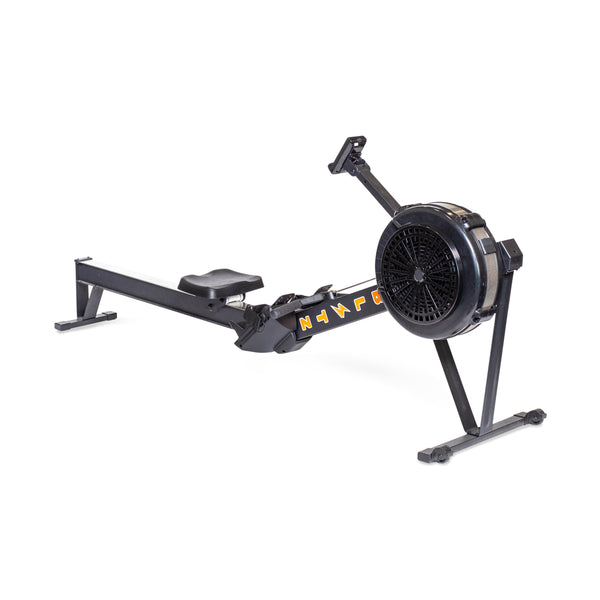
From there, I’ll move into rowing for 20–30 minutes. Sometimes that’s steady Zone 2 aerobic work, other days it’s interval-based (for example, 6 x 500m with controlled rest). Rowing gives me full-body cardio without impact and keeps my legs, core, and upper body connected.
I also incorporate reformer Pilates one to two times per week. That’s been a real game changer. It’s helped with core stability, alignment, controlled eccentric strength, and better hip and glute engagement — especially in ranges I used to neglect.
Yoga is another staple, usually once or twice a week. Flow sessions help with recovery, and longer holds improve flexibility. The breathwork component has been just as important for the mental side as the physical.
Overall, my routine has evolved from chasing strength numbers to prioritizing movement quality and consistency. I’ve learned that staying competitive isn’t about being the strongest — it’s about being the most durable and resilient. Strength still matters, but it now supports movement.
One of the best parts of this phase has been cross-training with my triathlete daughters. We row together, build aerobic base, and focus on general fitness. It keeps me accountable, maintains my engine, and most importantly, keeps training fun.
At this point in my career, the philosophy is simple: Mobility first. Core and posture daily. Build the aerobic base. Recover well. Train to feel good tomorrow. That shift has been key to staying strong, competitive, and injury-free.
2. What’s your favourite piece of gym equipment? Any underrated equipment that deserves some love for how much it’s helped your training?
If I had to pick one favourite piece of gym equipment, it would be my rower — no question.
It’s been one of the most valuable tools in my training over the years because it checks so many boxes at once. It gives me full-body strength, aerobic conditioning, and the ability to train high-intensity intervals — all in a low-impact, joint-friendly way.
For anyone pushing past a plateau or chasing their own version of gold, I’d say this: Stay patient. Keep refining the small things. Trust the long game. Surround yourself with people who elevate you.
From a curling perspective, it translates incredibly well. The leg drive, core engagement, upper body connection, and rhythm all mirror what we need on the ice. When I’m doing hard interval sets — like 500m repeats or short power pieces — it simulates the intensity and sustained effort of sweeping in a way that very few other machines can.
What I love most is the versatility:
- Steady Zone 2 rows for aerobic base
- High-intensity intervals for power and repeatability
- Longer pieces for mental toughness
- Technical focus sessions to reinforce posture and connection
- It builds strength and engine at the same time.
I also think the rower is slightly underrated because people either go too hard on it or avoid it altogether. Used properly, it’s one of the most complete and efficient training tools available. It’s simple, brutally honest, and incredibly effective.
For me, it’s been a cornerstone — especially as my training has evolved toward durability, cardio, and movement quality over chasing heavy lifts. If I only had one piece of equipment to keep, that would be it.
3. How important is training and fitness to you outside of curling? And if you could build the ultimate home gym or “Olympic training cave,” what would it include?
Training and fitness outside of curling are extremely important to me. At this stage, it’s bigger than performance — it’s about health, longevity, energy, and setting an example for my family.
Staying fit keeps me mentally sharp, physically capable, and balanced. It gives me structure and clarity outside of competition, and it’s something I genuinely enjoy. It’s also become a big part of how I connect with my daughters through shared workouts and aerobic sessions.
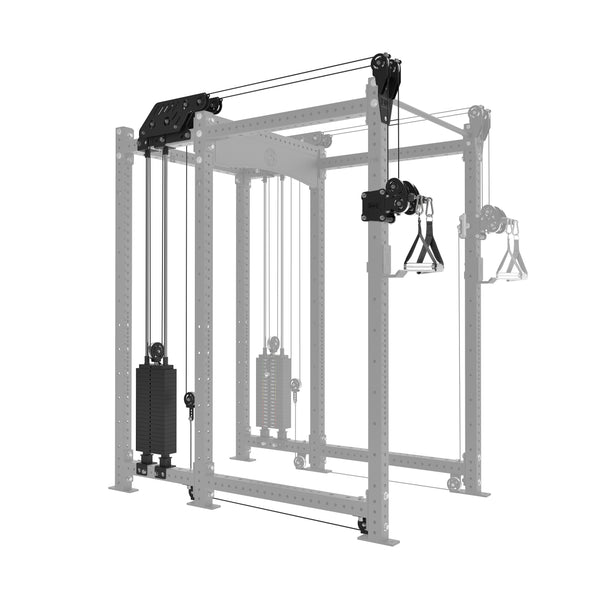
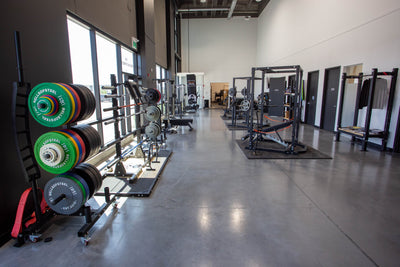
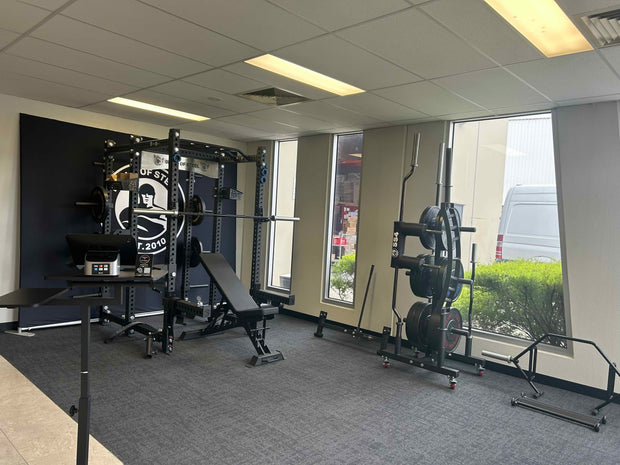
I’m fortunate to already have a home gym setup that covers just about everything I need. It includes a treadmill, a rower, road bike trainers, free weights, and a home gym system. That combination allows me to train strength, cardio, intervals, mobility, and general fitness without having to leave the house.
If I were building the ultimate “Olympic training cave,” it would honestly look very similar — just with a bit more space! I’d keep the rower and bike trainers as staples for aerobic base and high-intensity work, the treadmill for conditioning sessions, adjustable dumbbells for strength, and a versatile cable machine for resistance work.
At this point in my career, the ultimate setup isn’t about having every machine imaginable — it’s about having the right tools to stay durable, strong, and consistent.
Fitness isn’t just preparation for curling anymore. It’s part of my lifestyle.
4. Curling might not look like it to the average watcher, but the sport demands a lot of strength, cardio, and stability. Why is gym and conditioning work so important for curlers, and how does it impact performance on the ice?
Curling might not always look physically demanding to the casual viewer, but it’s an incredibly taxing sport.
The delivery position alone is awkward and asymmetrical — you’re in a deep lunge, low to the ice, demanding strength, balance, and stability through the hips, core, and ankles. Then over the course of a game, you can throw and sweep close to 60 rocks. That adds up quickly. [Editor note: the average curling rock weighs 42 pounds (19.1 kg)]
That’s where gym and conditioning work become essential.
Flexibility and mobility are foundational. Without good hip, ankle, and thoracic mobility, it’s very difficult to maintain a consistent, stable sliding position. Mobility also helps reduce wear and tear over a long season.
The ultimate setup isn’t about having every machine imaginable — it’s about having the right tools to stay durable, strong, and consistent.
Leg strength is critical for generating power out of the hack. A strong, controlled leg drive leads to better weight control and repeatability. Core stability keeps everything aligned during the slide, especially under pressure.
Upper body strength and endurance are huge for sweeping. Modern sweeping is aggressive and sustained — it requires strong shoulders, lats, core engagement, and grip endurance.
Interval training in the gym translates directly to sweeping intensity on the ice.
Cardio fitness is another piece people underestimate. Games can be long, emotionally intense, and physically draining. A strong aerobic base helps maintain clarity, focus, and execution late in games and deep into events.
Finally, we do a lot of one-sided, unilateral training. Curling is naturally asymmetrical — you deliver from the same side repeatedly. Without targeted work to balance that out, imbalances and overuse injuries become a real issue.
At the end of the day, gym work doesn’t replace skill — but it absolutely enhances it. It allows us to hold positions longer, generate more power, recover faster, and stay consistent over the course of a season.
Curling is demanding. The better shape you’re in, the more it shows — especially when it matters most.
5. What kept you going during the toughest moments of training or competition? Any advice for those pushing past plateaus or chasing their own gold?

The toughest moments of training and competition are inevitable. Every athlete hits plateaus. Every team faces setbacks. For me, what kept me going was the belief that I could still get better.
I never felt like I had fully reached my potential. That belief — that there was still another level to find — was a powerful motivator. Even when progress felt slow or invisible, I trusted that steady work would eventually show up when it mattered.
Another huge driver was my teammates. The thought of winning alongside them, of sharing something meaningful together, carried me through some very hard stretches. High-performance sport is demanding, but it’s also an incredible journey. Going through it with people you trust and respect makes the grind worthwhile.
I also accepted early on that it would never be easy. Chasing something significant isn’t supposed to feel comfortable. There are going to be doubts, fatigue, criticism, and pressure. Instead of resisting that, I tried to understand that difficulty is part of the process. If it feels hard, it probably means you’re in the right place.
For anyone pushing past a plateau or chasing their own version of gold, I’d say this:
Stay patient. Keep refining the small things. Trust the long game. Surround yourself with people who elevate you. And remember that growth doesn’t always feel dramatic — sometimes it’s quiet, incremental, and only visible in hindsight. If you believe there’s still more in you, there probably is.
The journey won’t be easy — but that’s what makes it meaningful.
6. What’s the one standout memory from your Olympic journeys that has made all the early mornings and heavy lifts worth it?
Without question, the standout memory that made all the early mornings and heavy lifts worth it was winning last week in Italy.
Standing on the podium with my teammates after everything we went through during that week — the controversy, the noise, the emotional swings — made it incredibly meaningful. It wasn’t just about the result. It was about the resilience.
We had to stay steady, stay connected, and keep trusting each other when it would have been easy to fracture. Then to cap it off with a terrific battle against Great Britain — the number one team in the world — made it even more special. It wasn’t given. It was earned.
In that moment on the podium, it all hits you. The years of training. The sacrifices. The doubt. The work when no one is watching. You realize every early morning, every heavy lift, every hard interval session was building toward something.
It felt amazing — not just because we won, but because of how we won and who we did it with.
Those are the moments that make the journey worth it.
___________________________________________________________________________________________
Marc makes one thing very clear: longevity isn’t flashy; it’s intentional. Mobility. Aerobic base. Core stability. Smart intervals. Recovery. Repeat.
No shortcuts. No ego lifting. No chasing numbers just to chase them. Just consistent work, the right tools, and the discipline to train for tomorrow — not just today. Marc proves that “simple” equipment done well is anything but simple. Used properly, it builds the engine, strength, and resilience that show up when pressure hits.
We’re incredibly grateful he took the time to share his path to the podium.
If you’re inspired to build your own version of durable strength — whether you’re chasing podiums, pushing past a plateau, or just wanting to move and feel better for the long haul — start with the foundation.
Build your engine. Protect your body. Stay consistent.