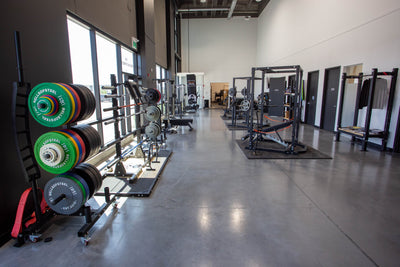
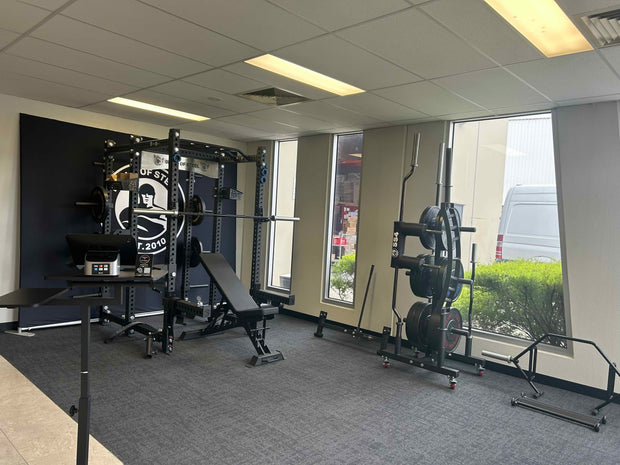
Buying a power rack is a big step for any home or commercial gym. It often becomes the center of training, the place where squats, presses, pulls, and accessories all come together. With so many options on the market, choosing the right one can feel overwhelming. The good news is that most decisions come down to a few clear factors: rack series, rack style, and features that affect daily use and future upgrades.
This guide breaks everything down in simple terms so it is easier to choose a rack that fits the space, the budget, and the way training actually happens.
Start With the Rack Series
Power racks usually fall into three main categories based on build quality, price, and expandability. Understanding these series first makes the rest of the decision much easier.
2.3" x 2.3" (60mm x 60mm) Series: Budget Friendly and Straightforward

The 60mm x 60mm series is built for lifters who want a solid rack without spending a premium price.
These racks use lighter steel and metric tubing, which helps keep costs down. They usually come preconfigured, which means fewer decisions during checkout and faster setup. For general strength training and moderate loads, they do the job well.
The tradeoff is flexibility. The lighter tubing has a lower weight capacity than other racks, and the metric size limits compatibility with many aftermarket attachments. Customization options are also more limited. This series works best for lifters who want a simple setup and do not plan to add many accessories later.
3" x 3" (76.2 mm x 76.2 mm) Hydra Series: The Sweet Spot for Most Lifters![]()

The Hydra series hits a balance that appeals to a wide range of users. These racks use true 3x3 inch steel with 11 gauge thickness, which makes them strong and compatible with many North American attachments. Yes, even the competitors'.
The 5/8 inch holes and two inch spacing (with one inch spacing in the bench zone) give plenty of adjustment for comfortable rack heights. One of the biggest advantages is modularity. A basic rack can be upgraded later with storage posts, cable systems, or specialty attachments.
Some lifters find the smaller hardware pins not robust enough, and not every hole is numbered. Even so, the Hydra series offers excellent value and flexibility, making it a popular choice for home gyms that may grow over time.
3" x 3" (76.2 mm x 76.2 mm) Manticore Series: Premium Feel and Hardware

The Manticore series is the cream of the crop. These racks focus on finish, convenience, and fast attachment changes.
These racks also use true 3x3 inch steel, but pair it with premium features like magnetic pins, fully numbered holes, and UHMW lining on attachments to protect the rack finish. 1" holes with 5/8"-1" keyholes on the side makes swapping accessories quick and satisfying (yes, it fits Hydra accessories, too).
The downside is cost. Both the rack and the attachments come at a higher price. Hole spacing is also more uniform at 2" hole spacing throughout, which some lifters may find less adjustable for very specific setups. This series works best for those who want top-tier hardware and a polished look.
Choose the Right Rack Style for the Space
Once the series is chosen, the next decision is the rack style. This depends heavily on room size, ceiling height, and how the rack will be used.
Squat Stands
Squat stands have the smallest footprint and the lowest price. They are easy to move and store.
The downside is safety. Many models do not include full safeties, and spotter arms can tip if used incorrectly. These stands suit experienced lifters who are confident bailing lifts but are not ideal for beginners or heavy solo training.
Half Racks
Half racks add stability and some safety features while staying fairly compact.
They offer limited storage and protection compared to full cages but work well in small gyms where space is tight and loads are moderate. This also includes collegiate racks, which are commonly used in schools and team training facilities.
These setups are built for shared use, quick transitions between lifts, and day-to-day durability, making them a solid option for multi-user spaces that do not need a full power cage.
Four-Post Power Racks
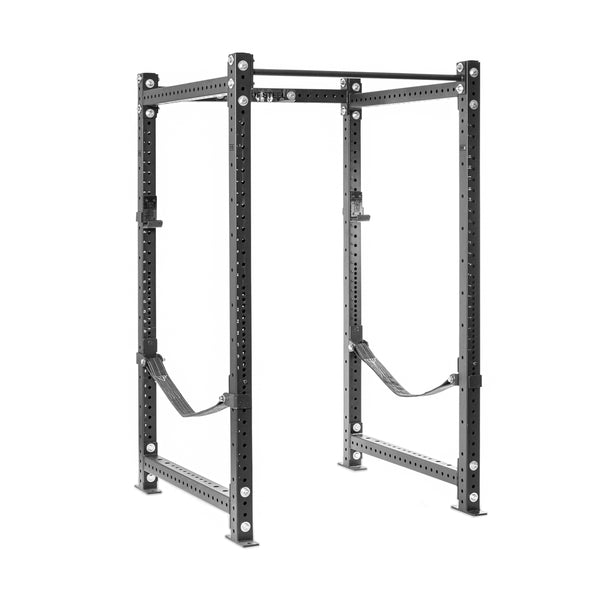
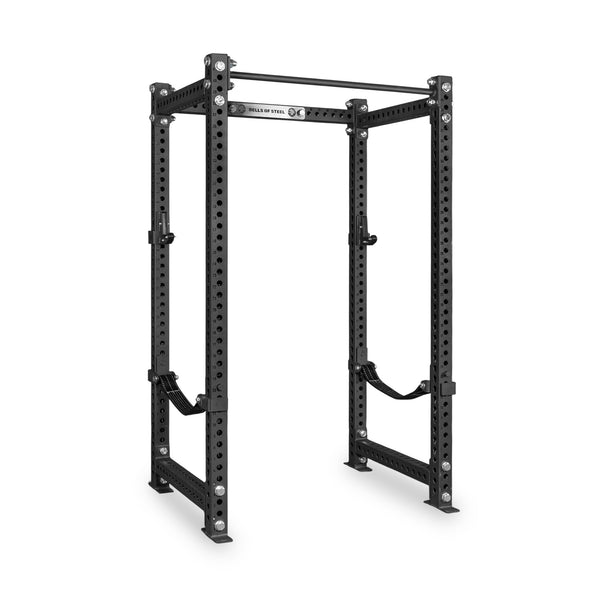
A four-post rack creates a full cage around the lifter. This design offers the best safety for heavy squats and bench presses, especially when training alone.
Bolt-down versions provide maximum stability but require drilling into the floor. Flat foot versions avoid drilling and rely on wide feet for balance, though they add a bit of height which can matter in low ceiling rooms.
Six-Post Racks
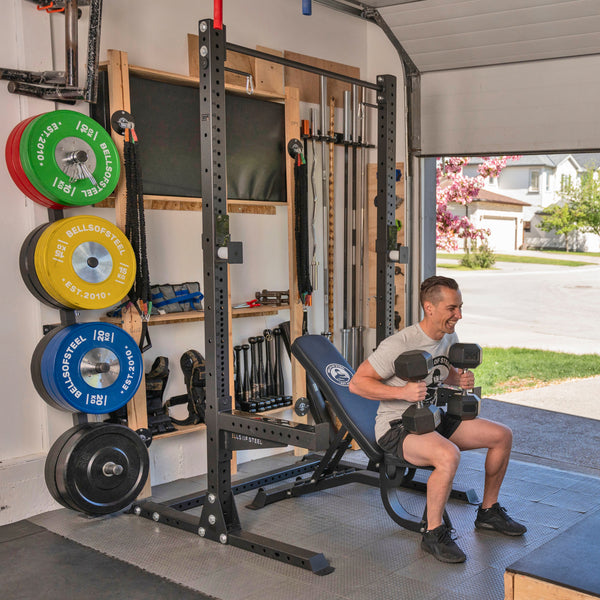
Six-post racks add storage and extra training stations. Plates, bars, and accessories can live on the rack without cluttering the room.
They take up more space and cost more, but they shine in shared gyms or family setups where multiple people train at once.
Folding Racks
Folding racks mount to wall studs and fold away when not in use. They are ideal for garages or rooms that serve multiple purposes.
Installation takes planning, and setup adds a few extra steps before each workout. Some models also do not fold completely flat, which is worth checking before buying.
Features That Matter More Than You Think
Certain specs may seem minor at first but can make a big difference in daily use.
Tubing size matters for compatibility. True 3x3 inch tubing works with more attachments than metric sizes. Hole size also matters. 5/8" holes are common and strong, while 1" holes feel more substantial and pair well with premium hardware.
Hole spacing affects comfort, especially for bench press setups. Tighter spacing in the bench zone helps dial in bar height.
Magnetic pins speed up attachment changes and feel great to use. UHMW lining protects finishes and reduces noise. Strap safeties are popular for solo lifters because they protect both the bar and the rack.
A Simple Buying Checklist
Before clicking buy, answer a few key questions.
- What is the total budget, including attachments?
- How much ceiling height is available, including rack feet?
- What type of training will happen most often?
- Will others share the rack?
- Is future expansion likely?
Clear answers here prevent regrets later.
Quick Recommendations
For most lifters, a Hydra rack offers the best balance of price, strength, and upgrade potential.
Manticore works well for those who want premium hardware and a refined look.
The 60mm x 60mm series suits tight budgets and simple needs. Folding racks solve space problems in garages and shared rooms.
Final Thoughts
The perfect power rack matches the space, the budget, and the way training actually happens. Choosing with future needs in mind often saves money and frustration later. Measure carefully, prioritize safety, and focus on features that make workouts smoother and more enjoyable. A well chosen rack is not just equipment. It is the backbone of a great gym.