You maintain home gym equipment by keeping it clean, dry, lightly lubricated, and regularly checked for wear. You don’t need fancy tools or constant upkeep, just a few consistent habits that protect against rust, loosened hardware, and premature wear.
A little maintenance goes a long way. Ignore it completely, and even good equipment will let you down.
Why This Question Matters
Most people don’t think about maintenance until something feels off. A barbell stops spinning smoothly. A rack bolt loosens. A bench starts wobbling. Suddenly, the gear you trusted feels sketchy.
There’s also a lot of confusion about how much care equipment actually needs. Some folks think you have to baby everything. Others assume steel is invincible and needs zero attention.
The truth is simpler: home gym equipment is built to be used, but it still benefits from basic care—especially in garages, basements, and shared spaces where moisture, dust, and temperature changes are common.
Practical Breakdown: What Equipment Care Really Looks Like
What Actually Matters
These are the habits that do most of the heavy lifting.
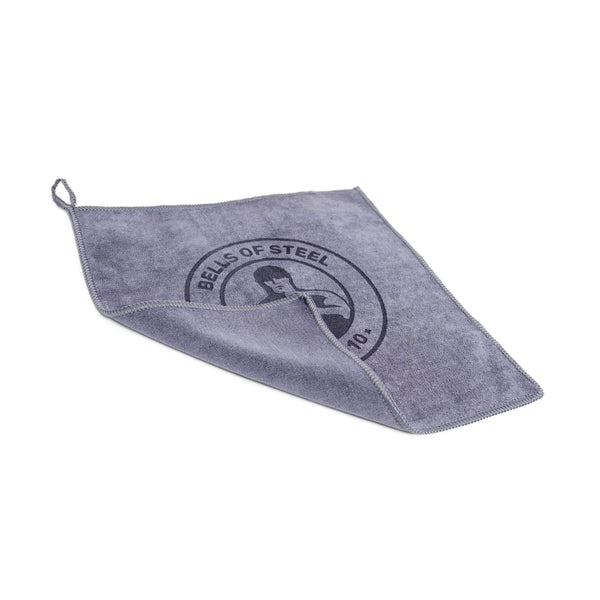
- Keeping equipment clean and dry - Sweat, chalk, dust, and humidity are the biggest enemies of steel and moving parts. Wiping things down regularly prevents corrosion and buildup.
- Checking bolts and connections - Racks, benches, and stands rely on tight hardware for stability. A quick check every few months keeps things solid.
- Protecting moving parts - Barbell sleeves, cable pulleys, and adjustable mechanisms last longer when they’re clean and lightly lubricated.
- Watching for early wear - Catching small issues early—frayed cables, cracked coatings, loose pads—prevents bigger problems later.
What’s Optional
Nice to do, but not mandatory.
- Daily cleaning
- Wiping down every surface
-
Reracking your freaking weights
Maintenance should support training, not replace it.
Common Equipment Maintenance Mistakes
Assuming Steel Doesn’t Need Care
Steel is tough, not invincible. Moisture and neglect will eventually win if ignored long enough.
Overdoing It
More lube isn’t better. More cleaning chemicals aren’t better. Over-maintaining can cause as many issues as under-maintaining.
Ignoring the Environment
Garages and basements are harder on equipment than climate-controlled rooms. Maintenance needs change with location.
Waiting Until Something Breaks
Most equipment problems give warning signs. Wobble, noise, resistance, and rust don’t appear overnight.
How Space, Budget, and Goals Change Maintenance Needs
Apartment or indoor gyms
Less exposure to moisture and temperature swings means lower maintenance. Basic cleaning and occasional checks are usually enough.
Garage gyms
Humidity, dust, and temperature changes increase wear. Expect to clean and inspect more often.
Basement gyms
Moisture control matters most. Dehumidifiers and airflow help protect equipment.
Heavy strength training
More load means more stress on bolts, welds, and bearings. Regular inspections are smart.
General fitness or light use
Lower loads and less frequent use mean slower wear—but basic care still applies.
Maintenance scales with how hard and where you train.
Equipment Recommendations (Value-First)
Barbells
Barbells see the most use and benefit the most from regular care.
Good habits include:
-
Wiping down the shaft after sessions
-
Brushing chalk and debris out of the knurling
-
Lightly oiling the sleeves occasionally to keep spin smooth
Quality barbells are designed to last decades, but a little attention keeps them feeling new.
Power Racks, Half Racks, and Squat Stands
Racks are low-maintenance but not no-maintenance.
Focus on:
-
Periodically checking bolt tightness
-
Inspecting safeties for damage
-
Keeping upright surfaces clean and dry
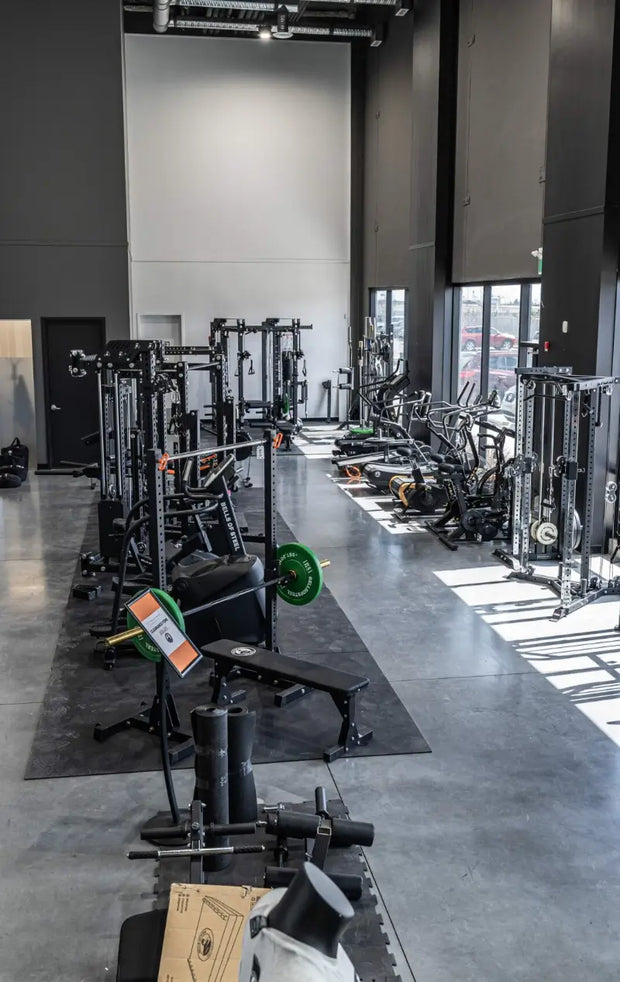
Well-built racks—like those from Bells of Steel are designed to handle real loading, but stability still depends on basic upkeep.
Benches
Benches take more abuse than people realize.
Maintenance basics:
-
Check frame bolts
-
Wipe sweat off upholstery
-
Inspect pads for cracks or compression
A stable bench is a safety feature, not just a comfort issue.
Plates
Plates are simple, but they’re not maintenance-free.
Helpful habits:
-
Keep plates dry
-
Avoid storing them directly on damp concrete
-
Inspect for cracks or loose hubs
Vertical storage helps reduce floor contact and moisture exposure.
Cables and Pulleys
Cables require a bit more attention.
Watch for:
-
Fraying or kinks
-
Smooth pulley movement
-
Proper tension
Catching cable wear early prevents sudden failures.
Flooring
Flooring protects everything else—so protect it too.
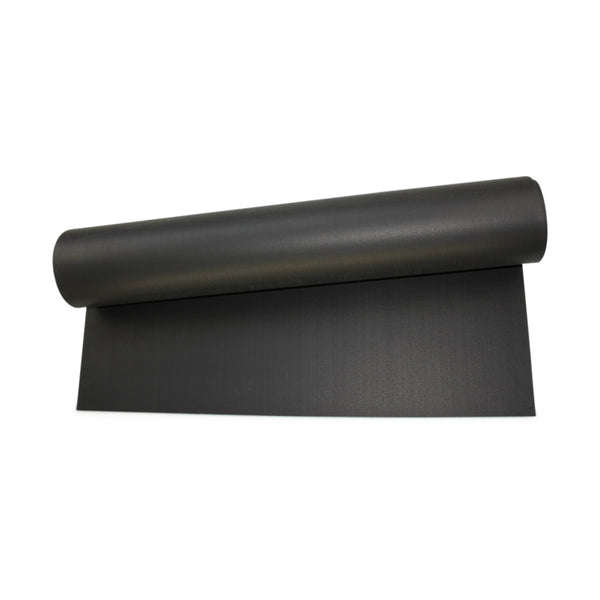
Keep rubber flooring clean, dry, and flat. Avoid dragging sharp metal edges across it. Clean chalk buildup periodically to maintain grip.
Real-World Equipment Care Examples
Garage Home Gym
This is the most demanding environment.
A simple routine:
-
Wipe barbells and benches weekly
-
Check rack bolts every few months
-
Oil barbell sleeves as needed
-
Use a dehumidifier or airflow when possible
This takes minutes, not hours, and dramatically extends equipment life.
Apartment or Basement Home Gym
Climate-controlled spaces are easier on gear.
Basic care looks like:
-
Wiping equipment after use
-
Occasional bolt checks
-
Cleaning chalk and dust buildup
Maintenance here is more about habit than intervention.
Home Gym Equipment Care FAQs
Do I really need to oil my barbell?
Yes, occasionally. A light oiling keeps sleeves spinning smoothly and protects against rust.
What if I don’t use chalk?
You still sweat. Sweat is just chalk with worse intentions.
How often should I check bolts?
Every few months is plenty for most home gyms. More often if you train heavy or move equipment frequently.
Can I use household cleaners?
Mild cleaners are fine. Avoid harsh chemicals that strip coatings or leave residue.
What’s the minimum maintenance I can get away with?
Wipe things down, keep them dry, and address issues when you notice them. That’s the baseline.
Is maintenance different for budget equipment?
Budget gear benefits even more from good care. Maintenance can extend lifespan significantly.
Bottom Line
Maintaining home gym equipment isn’t about perfection—it’s about consistency. A few simple habits keep your gear safer, smoother, and more reliable for years.
Start small. Stay consistent. Treat your equipment like the long-term training partner it is, and it’ll keep showing up when you need it.